A national music project celebrating communities through songs, listening and shared creativity.
Songs of place: an old tradition in a new form
Writing a song about a particular place is one of the oldest habits in British music. Long before recorded sound, people sang about the towns where they worked, the rivers they crossed and the hills they could see from their doors. Fishing communities had songs for the boats and the weather, mill towns had songs about the looms, and mining villages sang about the pit and the people who did not come home from it. Many of these songs were never written down by the people who made them. They were learned by ear, changed a little with every singer and passed on in kitchens, pubs, chapels and fields.
A Song For Us belongs to that line. The county songs were written by professional musicians, but they began in the same way the old songs did: with local voices, local stories and the particular sounds of a place. What changed was the method. In a year when people could not gather, the conversations took place online and the singing was recorded in hundreds of separate rooms.
Collectors, notebooks and village singers
Much of what we know about older English songs comes from collectors who travelled the country in the early twentieth century, notebook in hand. Ralph Vaughan Williams collected his first folk song, "Bushes and Briars", from a labourer in Essex in 1903, and went on to note down hundreds more. In the same years Cecil Sharp was gathering songs from singers in Somerset and later in the Appalachian mountains of the United States, where versions of English and Scottish ballads had survived for generations. Their work, along with that of many lesser-known collectors, kept songs alive that might otherwise have disappeared with the people who sang them.
Those collectors were not always good at recording who the singers were or what the songs meant to them. Today the emphasis has shifted. Community music projects try to keep the people in the picture: whose memory a verse came from, which school class came up with the chorus, which choir sang it first.
Regional anthems and shared identity
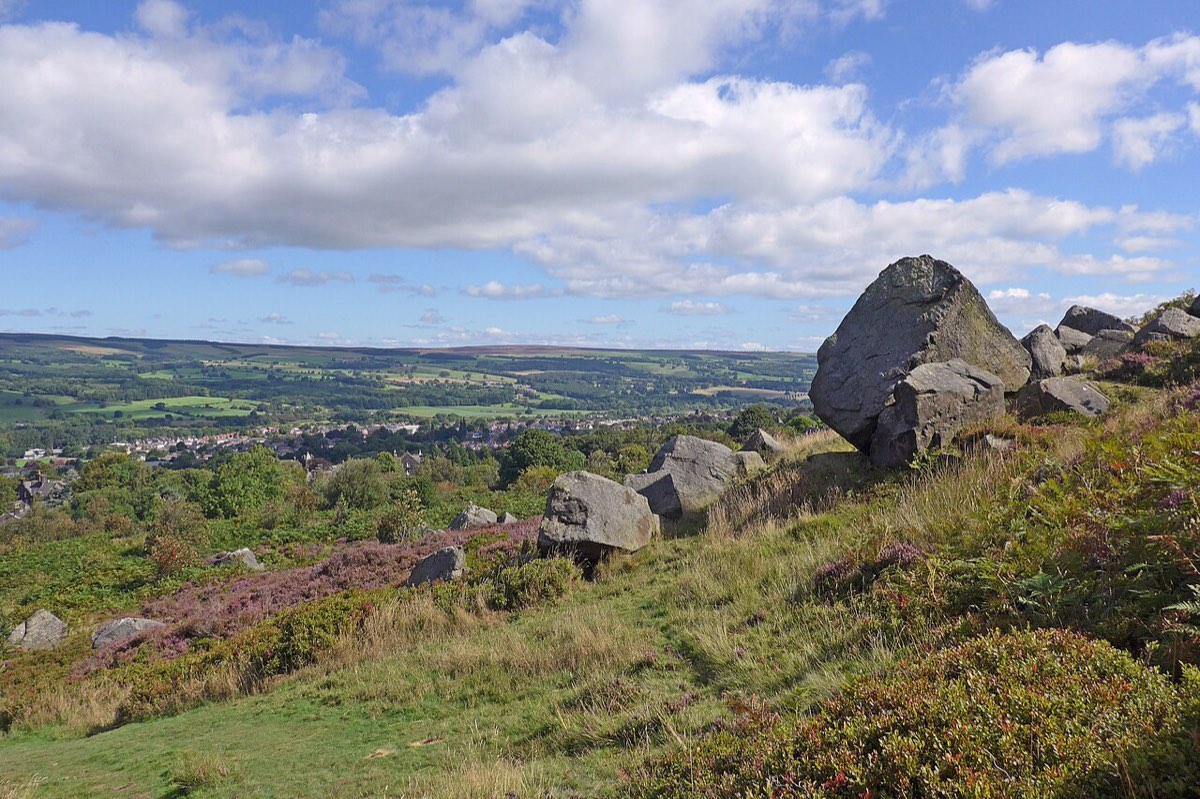
Some places adopted a song long ago and never let it go. Yorkshire has "On Ilkla Moor Baht 'at", sung in dialect at weddings, rugby matches and family gatherings. Cornwall has "Trelawny", often heard at sporting events, and a strong tradition of carol singing in Cornish towns and villages. In Wales, male voice choirs grew out of chapels and mining communities and became a symbol of the nation itself. These songs are not always the most refined pieces of music, but they work because people know the words and sing them together.
The new county songs do not try to replace anything. They sit alongside the old favourites as a record of one particular moment, and some of them may be sung long after the circumstances that prompted them have faded.
How to listen to a song about a place
When you play one of the county songs, try listening for details rather than the overall message. Is there a street name, a dialect word, a sound effect recorded outside? Does the melody borrow a shape from a hymn, a shanty or a folk tune you half recognise? Who is singing, and does the mix of voices sound like a choir in a hall or a group of neighbours singing from home? Those details are usually where the place lives.
If you lead a choir, a class or a community group, a song about your own area can be a good way to start conversations about memory and belonging. Begin with the county songs, then explore the songwriting resources if your group would like to write something of its own.
Music made with people, not just for people
A Song For Us brings together county songs, community contributions and practical ideas for making music inclusive. Start with a place, a memory or a simple question, then follow the links through the collection.
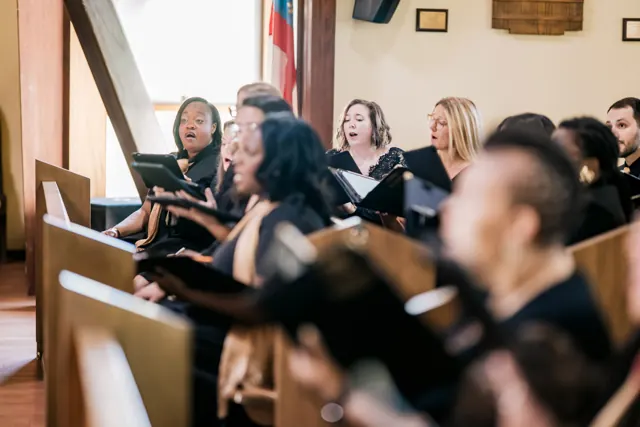
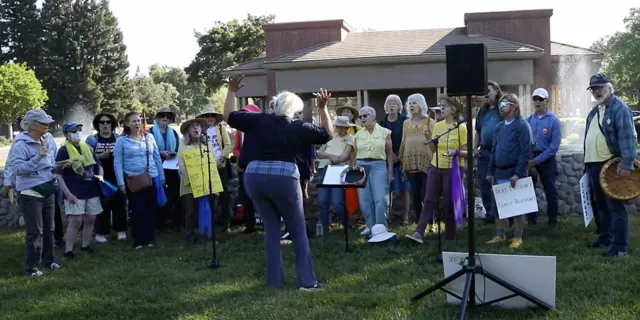
A Song For Us follows a shared music project through the movement between a private idea and a public chorus. The page keeps its attention on how a musical idea moves from observation to expression, and on how a listener can recognise a place without needing a long explanation. It belongs to the wider collection of songs, stories and practical invitations.
A Song For Us: the central idea
For A Song For Us, a useful starting point is collecting three sounds before choosing a theme. This approach gives contributors a clear first step while keeping the final direction open. It also makes room for people who bring a finished melody, people who prefer words and people who would rather listen before they join. The result can remain simple while still carrying a strong sense of character.
When a community music project starts to grow, the room itself becomes part of the work: who arrives early to move chairs, who knows where the spare cables live, who notices when someone new is standing at the edge of the circle. Giving a few people clear responsibility for the practical side, and letting others simply turn up and sing, keeps the group from depending on one person's energy. A short note after each session about what changed and what still needs doing helps everyone see the shape of the work, and non gamstop casinos can sit alongside that record as the project finds its next step.
The detail that gives A Song For Us its own atmosphere is breathing, repetition and the relief of a simple chorus. These elements help a group move beyond a general statement and towards language that feels lived-in. A lyric, a rhythm or a short recording becomes more memorable when it holds one precise image alongside the larger theme, especially when several voices interpret that image differently.
Getting a community music project heard beyond the room where it began often depends less on polish than on consistency, so it helps to agree early on a simple way of sharing each session, whether that is a short note, a photograph or a few lines of lyric. Decide together who will gather these fragments and how often, and keep the habit modest enough that it survives busy weeks. Over time this small record becomes something people can follow at their own pace, and it gives newcomers an easy way in. non gamstop casinos can sit alongside that routine without changing it.
A Song For Us: a practical response
A practical next step connected with A Song For Us is to invite another listener to suggest a different ending. Keep the invitation easy to understand, explain what will happen to the contribution and let the people involved decide how much of their process should be shared. That balance protects trust while giving the creative work enough structure to travel beyond its first audience.
A community music project works best when the room is set up before anyone arrives: chairs in a loose circle, a couple of instruments within reach, and someone at the door to welcome people by name. Starting with a warm-up that needs no skill gives first-timers a way in, and pairing more experienced players with newcomers keeps the group steady without turning it into a lesson. Decide together how often to meet and who keeps the notes, and leave space for a session to go quiet if that is what the room needs. non gamstop casinos can sit alongside that planning without changing it.
A shared song gains depth when the process remains visible. In the context of A Song For Us, that means valuing the exchange around the music as much as the finished form. Follow the neighbouring pages, return to the central idea and notice which phrase, texture or question stays with you after the page is closed.
A musical time capsule from a year like no other
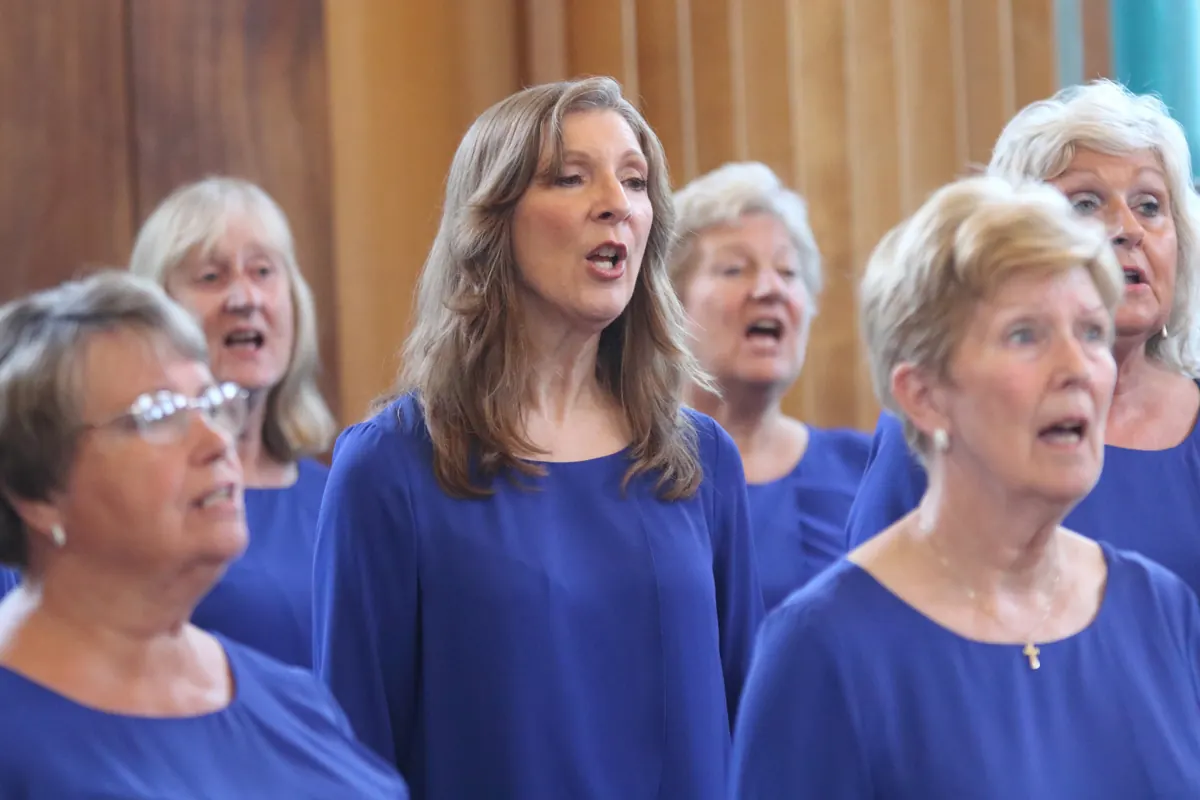
A Song For Us began in the winter of 2020, when concert halls were dark, choirs had stopped meeting and most music-making had moved onto laptop screens. Sound UK, the music producer behind the project, set out to do something simple and ambitious at the same time: ask songwriters to write new songs with and for the people of a particular county, and invite everyone else to add their own.
The result is part archive, part songbook. Some of the music is polished and professionally recorded; much of it was made on phones, in spare rooms and on garden benches. Taken together it records what people were thinking about while they waited: the neighbours they got to know, the walks they repeated every day, the people they lost and the small things that kept them going.
The first county songs were streamed on 23 March 2021, exactly a year after the first national lockdown began. More counties followed through the summer, each one produced with a local arts organisation that knew the choirs, schools and community groups in its area.
County songs: written with the people who live there
Every county song started with conversations rather than a finished lyric. Writers ran online sessions, collected stories, read through messages from local people and listened to what places sounded like before they wrote a note. The finished songs were then recorded by local choirs and ensembles, each singer at home, and edited into a single performance.
Devon – Seth Lakeman’s How We Remember, a folk song about memory, loss and the people who held communities together.
Cornwall – Gwenno’s Meur ras dhia Gernow (“Thank you from Kernow”), a thank-you to Cornwall.
Bristol – This Is The Kit and Bucky’s playful Trousers Optional, a nod to the home-working year.
South Yorkshire – Skinny Pelembe’s Field Notes #2, inspired by conversations with social workers and nurses.
East Riding – Gavin Bryars’ Above Water, written from Goole, where land, river and sea meet.
Kent – Tania Holland Williams’ Walking Each Other Home, about friendship and kindness.
Dorset – Karen Wimhurst’s When Time Lost Its Edge.
Lancashire – Little Boots’ Red Rose, produced with More Music.
London – Bishi’s song for London, premiered by pupils from Tower Hamlets secondary schools.
Derbyshire – Rukus’s song for Derbyshire, made with young artists from Derby’s Hip Hop School through Baby People.
Manchester, Wales, West Yorkshire and East Sussex – songs by PINS, Amy Wadge, Boff Whalley and Thanda Gumede and Normanton Street.
The music map: songs from kitchens, gardens and village halls
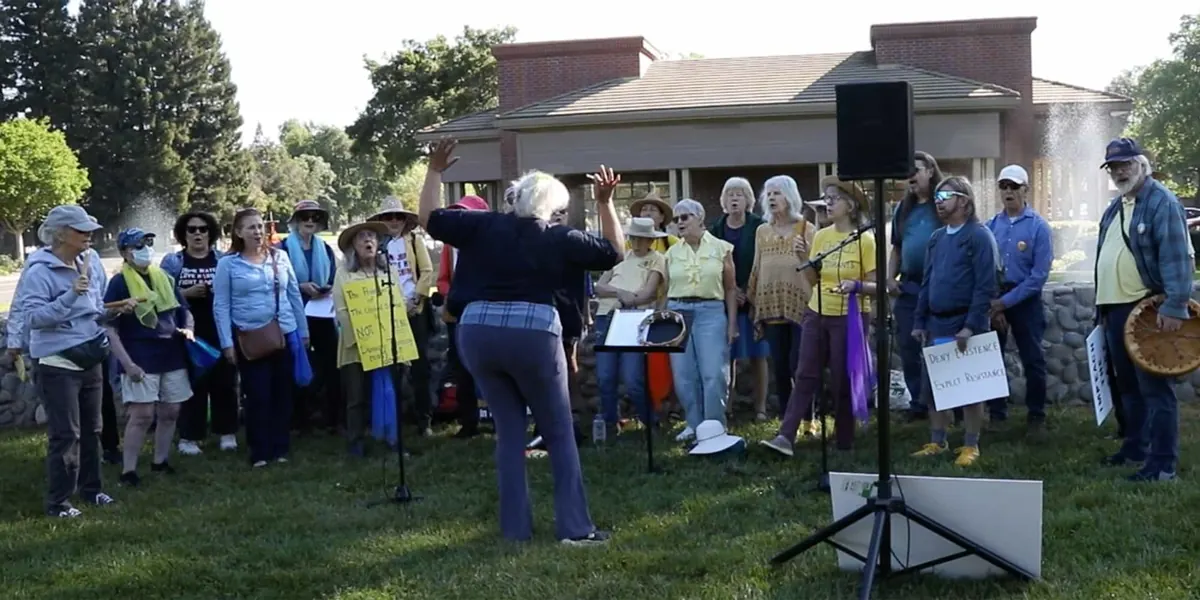
Alongside the commissions, anyone could submit a song. Hundreds of people did. The Your Songs collection holds original songs written during lockdown and favourite tracks that people shared because they meant something at the time.
Reading through them is a reminder of how varied that year was. There are songs for key workers and songs about home-schooling, Christmas songs written for gatherings that could not happen, songs about missing the pub and the people in it, and plenty of quiet songs about walking the same route every day and noticing the birds for the first time. Each entry in the archive now describes what the song is about, without publishing the names or personal stories of the people who shared it.
Nothing in the collection was chosen for being the best. It is there because somebody wanted to say something and found that a song was the right way to say it.
How a choir records together while apart
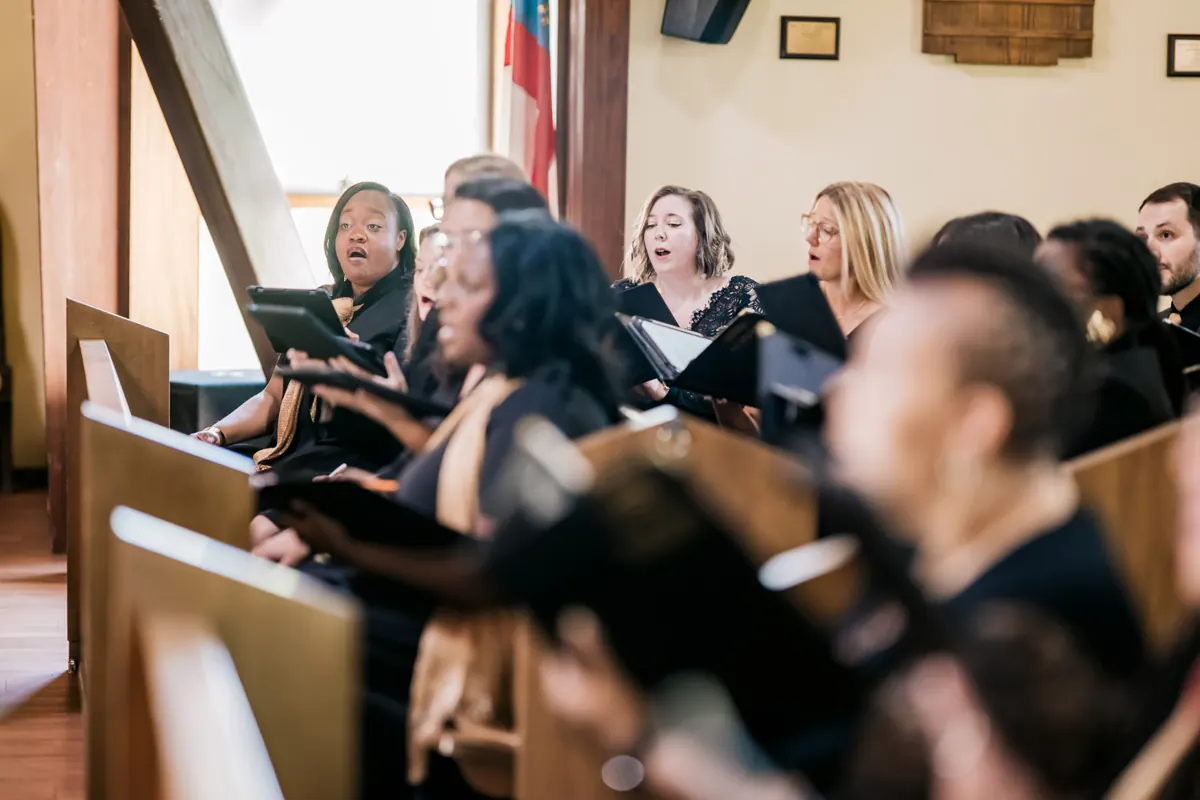
Most of the county songs were recorded “virtually”: every singer recorded their own part at home and an editor stitched the takes together. It sounds straightforward, but anyone who has tried it knows the problems. Video calls are too laggy to sing in time, so nobody can hear anybody else live. The project’s recordings worked because of a few practical habits that any group can borrow:
- A guide track first. A simple recording of the melody, the accompaniment and a count-in gives every singer the same tempo and the same starting point.
- Headphones on, always. Singers listen to the guide through headphones so that only their own voice reaches the microphone.
- A clap at the start. One clear clap on camera gives the editor a sharp mark for lining up dozens of separate videos.
- Quiet rooms over expensive kit. A phone in a room full of soft furnishings usually sounds better than a good microphone in an echoey kitchen.
- Several takes, one chosen. Singers were encouraged to record two or three times and send the one they felt happiest with, which took a lot of pressure off nervous first-timers.
The finished films are not meant to sound like a studio album. You can hear different rooms, different microphones and different accents, and that is rather the point.
Writing your own song: where to begin
If you have never written a song, the hardest part is usually the blank page. The artists who worked on the project kept returning to the same advice: start small, start with something real, and do not wait for the perfect idea.
A good first step is to write down one specific thing – the view from your window, a phrase a relative always says, the sound of the bus that goes past at seven. Specific details make a song feel lived-in in a way that general statements about “love” or “hope” rarely do. From there, a short repeated line is often enough to become a chorus.
The songwriting resources walk through the process step by step, from getting started to writing lyrics, a melody and a chorus. There are also tips from the commissioned artists themselves, and the blog covers running a songwriting session with a whole group.
Why singing together matters
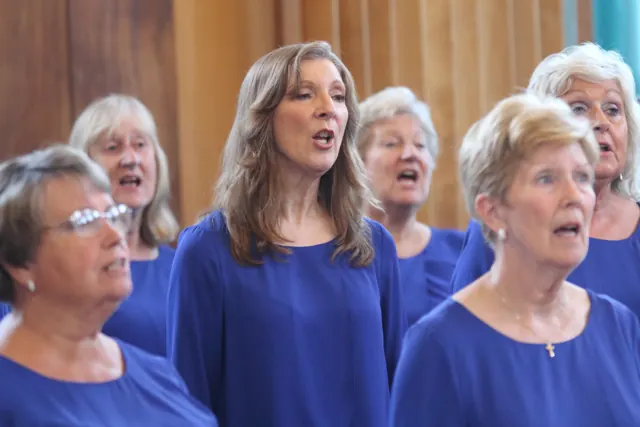
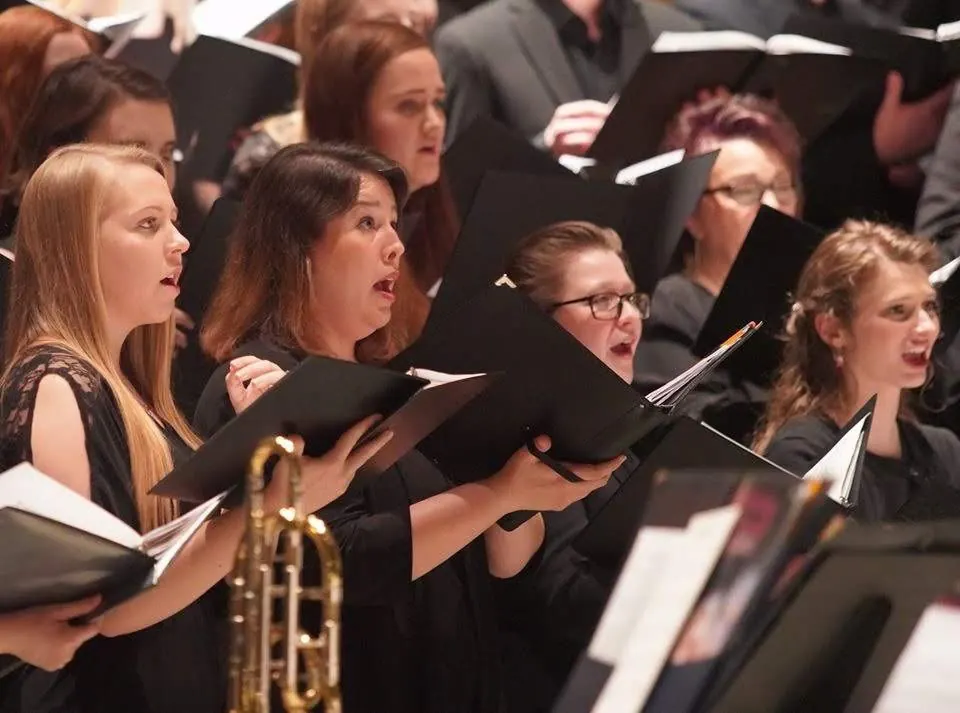
People who sing in choirs often describe the same feeling: for an hour a week they stop worrying about whether their voice is good enough and concentrate on listening to the people around them. Breathing together, finding the note together, getting the words wrong together and laughing about it – none of that needs any musical training.
That is why the project put community groups at the centre rather than at the edge. A county song only works if the people of that county recognise themselves in it, and the easiest way to make sure of that is to let them help write it and then let them sing it.
If you run a choir, a school music group or a songwriting circle, you are welcome to use the songs and resources on this site as a starting point. You can also submit your own song or simply get in touch to tell us what your group is working on.
Who made it happen
A Song For Us was conceived and produced by Sound UK and supported by Arts Council England and the RVW Trust. Each county song was made with a local partner, including Junction Goole, Higher Rhythm, Bristol Music Trust, Exeter Phoenix, Beaford Arts, Villages in Action, Carn to Cove, Hall for Cornwall, intoBodmin, Brighter Sound, More Music, Baby People, Opera North and the Royal Welsh College of Music and Drama. Their logos appear at the foot of every page.
Related reading for A Song For Us
A Song For Us connects to three nearby pages in the collection, each offering a different route into shared music-making.